
Technology Transfer
Technology transfer for advanced concepts in nanotechnology, advanced materials, micro- and nanoscale processes and device-oriented innovation. NT&D supports the transition of research results, technical know-how, prototype-stage outcomes and process capabilities toward application-oriented use, industrial collaboration and commercialization pathways. This includes technology positioning, transfer preparation, pilot-line setup, scale-up planning, partner-oriented communication and the structuring of practical routes from scientific achievement toward implementation.
From research outcomes to application pathways
Advanced technologies often originate from research results, specialized process know-how, material innovations or prototype-stage concepts. Moving these results toward application requires more than technical performance alone. It also requires a clear understanding of relevance, maturity, reproducibility, implementation requirements and the practical context in which the technology could create value.
Technology transfer helps bridge the gap between scientific achievement and application-oriented use. This may include clarifying possible use cases, identifying technical and commercial development gaps, preparing technology narratives, supporting collaboration discussions or defining realistic next steps toward further R&D, prototyping, pilot-line implementation, licensing, joint development or commercialization.
NT&D combines technical understanding with experience in application-oriented nanotechnology and device development. This allows transfer activities to remain grounded in materials, processes, devices and fabrication realities while addressing the broader questions needed to move advanced concepts toward practical use.
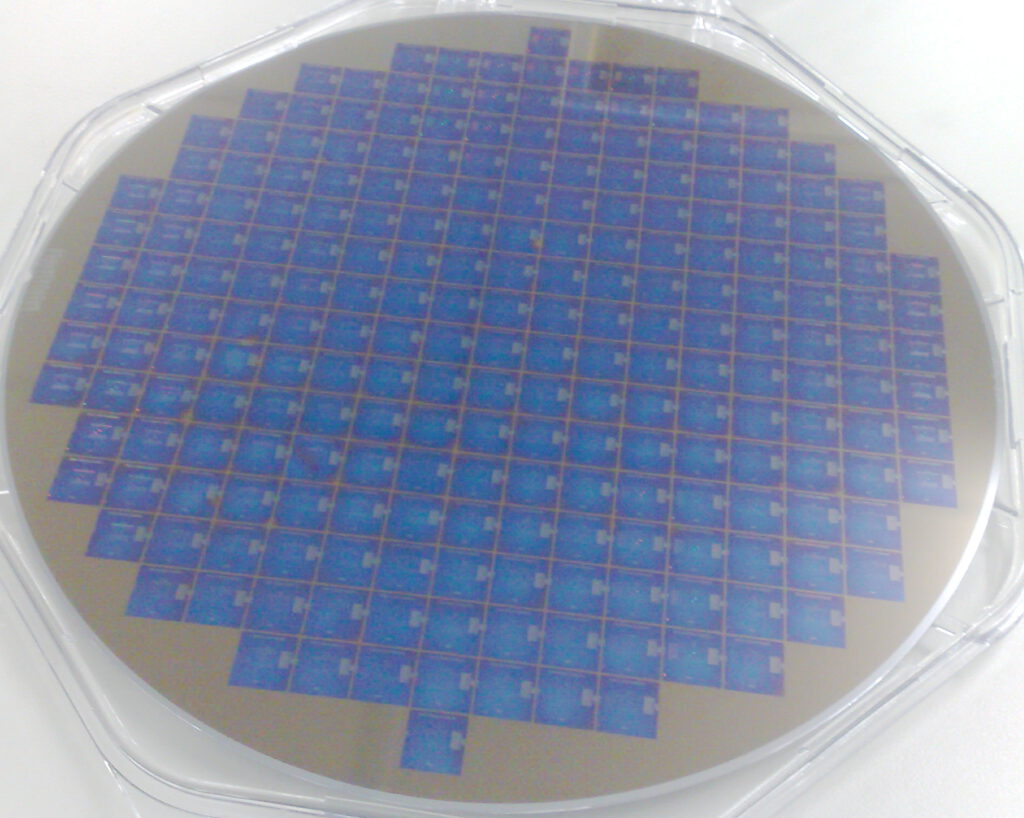
Preparing technologies for transfer and implementation
Successful technology transfer depends on a clear connection between what has been demonstrated, what still needs to be developed and what is required for practical implementation. A technology may need to be adapted for a specific application, prepared for partner evaluation, transferred into a pilot-line environment or structured for further industrial development.
Preparation can include defining the technical status of a concept, identifying reproducibility requirements, clarifying process flows, documenting prototype results, evaluating substrate formats, considering scale-up constraints and aligning the technology with the expectations of industrial or application-oriented partners.
The aim is to create a credible route from existing technical results toward the next implementation step. This may involve transfer into pilot-line or manufacturing-representative environments, setup of dedicated pilot-line concepts, preparation for collaborative R&D, or development of a commercialization pathway based on the maturity and requirements of the technology.
Transfer routes and implementation support
Technology transfer requires both technical depth and application-oriented framing. Advanced concepts need to be positioned in a way that is accurate, credible and understandable to partners who may not share the same scientific background. At the same time, technical limitations, development gaps, process requirements and implementation conditions must remain clear.
NT&D supports this process by connecting technology assessment, application mapping, pilot-line preparation, partner engagement, technical communication and commercialization-oriented thinking. The focus is on creating realistic transfer routes that reflect both the technical potential of the technology and the practical requirements for moving it toward use.
Technology Readiness and Transfer Assessment
Technology readiness and transfer assessment help clarify whether a concept, prototype, process or device approach is prepared for the next stage of application-oriented development. This includes reviewing the technical maturity of the result, the quality of available evidence, reproducibility, integration requirements, process dependencies and remaining uncertainties.
This assessment creates a clearer basis for deciding whether the next step should be further R&D, prototype refinement, partner evaluation, pilot-line preparation or commercialization-oriented activity. The goal is to define a realistic transfer position that avoids overclaiming while making the technology’s potential and requirements understandable.
Application Mapping and Use-Case Definition
Application mapping connects technical capabilities with possible fields of use. This may include identifying relevant industries, device classes, system-level requirements, performance needs or application environments where an advanced technology could provide meaningful advantages.
Use-case definition helps translate a broad scientific or technical capability into a more concrete application context. Instead of presenting a technology only as a general platform, the focus shifts toward specific functions, problems or opportunities that can guide further development, partner discussions, pilot-line planning or commercialization pathways.
Pilot-Line Setup and Scale-Up Preparation
Pilot-line preparation is important when a technology needs to move beyond laboratory-scale experiments or isolated prototypes toward more application-oriented and manufacturing-representative formats. NT&D supports the preparation and setup of pilot-line concepts by helping define process flows, substrate formats, equipment and capability requirements, reproducibility needs, integration constraints and evaluation criteria.
This support can also help prepare technologies for transfer into existing pilot-line environments or collaborative scale-up programs. The focus is on connecting prototype results, process know-how and technical documentation with the practical requirements of pilot-line operation, small-series realization, wafer-level processing or industrial development environments.
Industrial Collaboration and Partner Engagement
Technology transfer often depends on identifying suitable partners and preparing the technology for meaningful technical discussion. This can include defining partner profiles, clarifying collaboration goals, preparing technology descriptions and explaining what has already been demonstrated, what remains open and which resources are needed for the next step.
Partner engagement should make the technology understandable and credible without oversimplifying the science or engineering behind it. Clear communication of technical status, application relevance and development requirements helps support discussions with industrial companies, research institutions, pilot-line operators, development consortia or commercialization partners.
Technical Transfer Packages and Documentation
Advanced technologies require structured technical documentation before they can be transferred effectively. This may include capability summaries, process descriptions, prototype results, fabrication routes, application explanations, evaluation data, technical narratives and partner-facing materials that describe the concept in a clear and usable form.
A well-prepared transfer package helps align expectations between researchers, developers, partners and decision-makers. It supports collaboration, pilot-line preparation, internal evaluation, licensing discussions or further technical development by making complex materials, processes, devices and prototype outcomes easier to understand and assess.
Commercialization and Licensing Pathways
Commercialization-oriented support focuses on identifying realistic routes for moving a technology toward practical use. This may include evaluating possible business or collaboration models, defining further R&D or prototype requirements, preparing licensing-oriented communication, supporting joint development discussions or outlining staged implementation pathways.
The goal is not to push a technology prematurely toward the market, but to define a credible pathway based on its technical maturity, application relevance and remaining development needs. This supports better decisions about how to advance the technology toward industrial use, collaborative commercialization or broader application-oriented implementation.
See how technology transfer connects with NT&D’s consulting, R&D and prototyping services.
Discuss your technology transfer goals
Contact NT&D to explore how technology positioning, pilot-line preparation, partner engagement and commercialization-oriented support can help move your advanced technology concept toward practical use.