
R&D
Research and development support for advanced technology concepts across nanotechnology, advanced materials, micro- and nanoscale processes, functional structures and device-oriented systems. NT&D supports the evaluation, refinement and development of technical approaches where scientific understanding, process know-how and practical implementation requirements must be considered together. R&D support can help move promising research results, material concepts, process ideas or device opportunities toward validated technical approaches, experimental development routes and application-oriented technology solutions.
Research-driven technology development
Advanced technology development often requires more than a single experiment or isolated process step. Materials, surfaces, fabrication routes, device concepts, characterization methods and application requirements need to be considered together in order to understand how a concept can be developed into a reliable technical approach.
R&D support helps structure this process by connecting scientific insight with practical implementation. This can include feasibility-oriented research, experimental planning, process development, device-oriented evaluation and the refinement of technical concepts based on results, constraints and project goals.
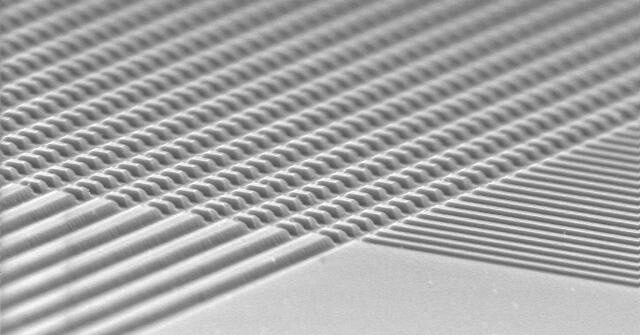
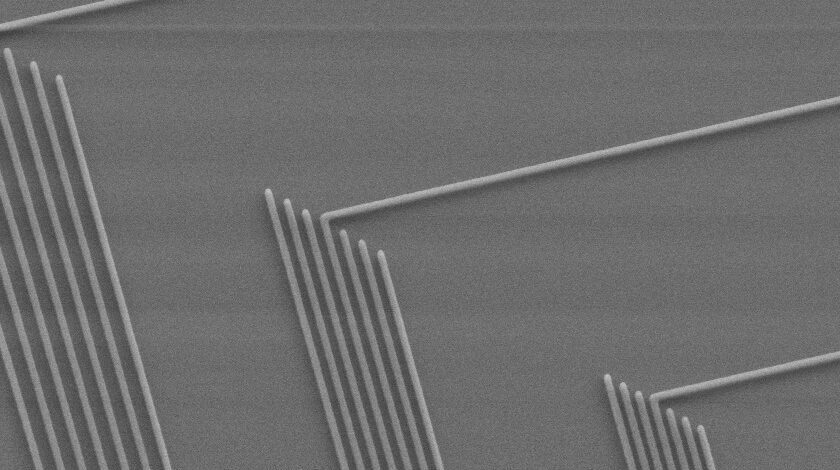
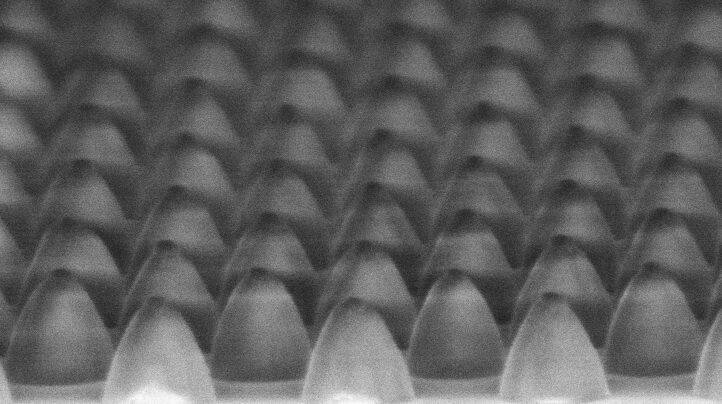
Development activities can address different levels of technical maturity, from early-stage concepts and small samples to wafer-scale process development on substrates up to 200 mm. This allows materials, fabrication routes, device concepts and integration approaches to be evaluated in formats that match the technical goals and future implementation path of the project.
Supporting advanced development projects
R&D is especially valuable when a concept has technical potential but requires further development before it can be transferred into a prototype, application environment or technology platform. Support can focus on a specific material, process or device question, or contribute to a broader development route involving several connected technical areas.
Typical projects may involve advanced materials, micro- and nanoscale structuring, thin-film processes, functional surfaces, interfaces, device architectures, proof-of-concept approaches or integration challenges. The focus is on developing a clearer technical understanding and defining practical next steps toward experimental validation and implementation.
Areas of R&D expertise
R&D for advanced technologies requires coordinated attention to materials, processes, structures, devices and application requirements. In many projects, progress depends on understanding how these elements influence one another: a material may require a specific process environment, a device concept may depend on interface quality, and a fabrication route may need to be adapted to support reliable measurement, integration or future scaling.
NT&D supports research-driven development work from early technical evaluation toward more mature technology concepts by combining feasibility assessment, materials and process understanding, device-oriented thinking, experimental planning and integration expertise. Depending on the project, these aspects can be addressed individually or combined into a broader R&D approach that connects technical exploration with practical implementation goals.
Experimental Feasibility and Proof-of-Principle
R&D often begins with experimental questions that need to be tested under realistic technical conditions. This may involve evaluating whether a material behavior, process concept, device principle or functional structure can be demonstrated in a meaningful way before moving toward more advanced development.
The goal is to create early technical evidence through targeted experiments, test structures or proof-of-principle approaches. This helps determine which concepts are worth developing further, which process conditions are critical and which limitations need to be addressed through additional R&D work.
Materials and Process Development
Materials and process development focuses on selecting, adapting and refining the technical building blocks required for advanced devices and functional structures. This can include thin films, surfaces, interfaces, patterning methods, deposition processes, metallization, etching, nanoimprint-related workflows or other micro- and nanoscale fabrication steps.
Support in this area considers how process conditions, material properties and integration requirements influence performance, reproducibility and future implementation. The aim is to develop technically meaningful process routes that support the intended function and application context.
Device Concepts and Functional Structures
Advanced R&D projects often require the translation of material or process capabilities into device-oriented concepts. This involves considering geometry, interfaces, contacts, functional layers, structural dimensions, integration constraints and the intended operating principle of the device or system.
Support can help define suitable device architectures, test structures or functional layouts that allow key technical questions to be evaluated. The focus is on connecting scientific potential with structures and concepts that can be fabricated, measured and improved.
Experimental Planning and Validation
Experimental planning helps translate development goals into structured technical work. This includes defining experiments, selecting relevant parameters, identifying characterization needs and establishing meaningful criteria for evaluating progress.
Validation does not necessarily mean final product qualification. At the R&D stage, it often means generating reliable technical evidence that a material, process, structure or device concept can perform as intended under defined conditions. This supports better decisions about continuation, refinement or transition toward prototyping.
Integration and Compatibility
Many advanced technology concepts depend on the successful integration of several materials, processes or functional elements. Compatibility between fabrication steps, substrates, interfaces, thermal budgets, surface conditions, contact schemes and characterization methods can strongly influence whether a concept can be implemented.
R&D support helps identify integration risks, evaluate process sequences and define development routes that take practical fabrication and device requirements into account. This is especially important when moving from isolated experiments toward more complete technical systems.
Technical Maturation Toward Prototyping
Research results often need further technical maturation before they can be translated into demonstrators, prototypes or application-oriented development programs. This involves refining materials, processes, structures and device concepts so they become more reproducible, measurable and suitable for further implementation.
Support in this area helps bridge the gap between experimental R&D results and prototype-oriented development. The focus is on improving technical readiness, clarifying integration requirements and preparing concepts for the next stage of prototyping or technology transfer.
See how R&D connects with NT&D’s consulting, prototyping and technology transfer services.
Discuss your R&D challenge
Contact NT&D to explore how research and development support can help evaluate, refine and advance your nanotechnology, materials or device-oriented project.